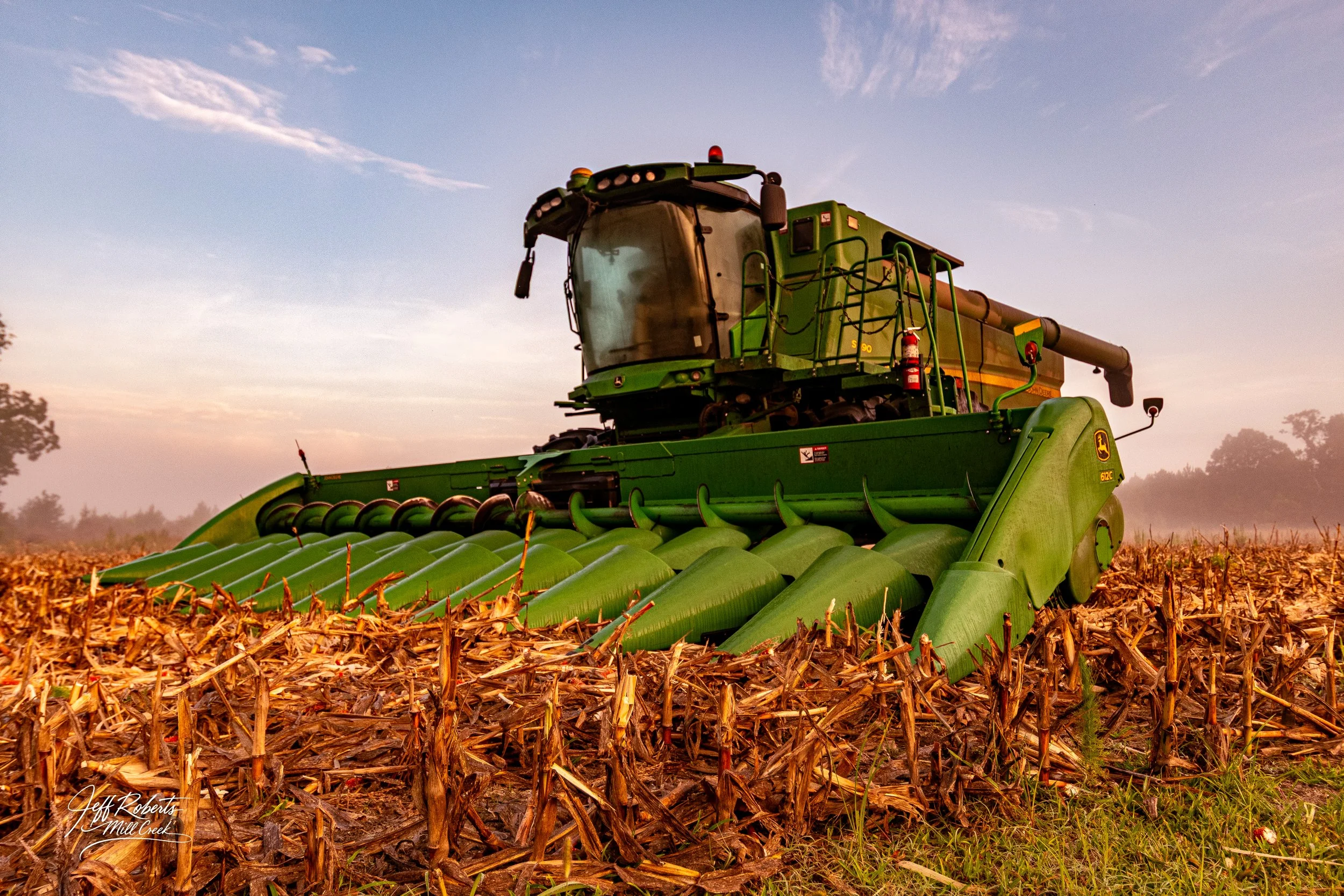
“My Roots & Vision”
“Photography Born on Coastal North Carolina Soil”
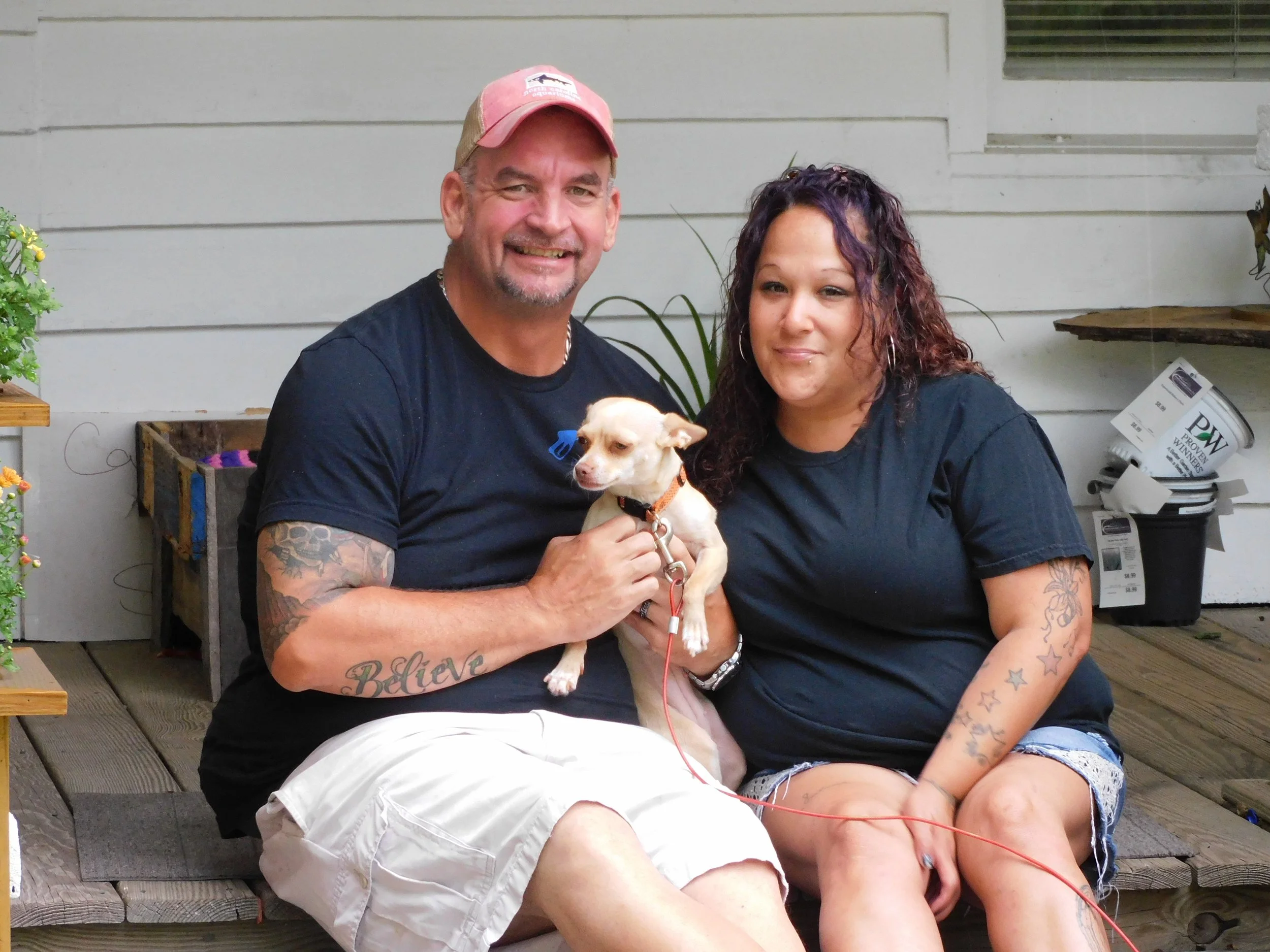
About Mill Creek
Welcome, Neighbor
I’m Jeff.
Mill Creek is a place I return to — to stay balanced, to pay attention, and to keep hold of what matters as the world keeps changing. I was raised around old ways of living and working, and I’ve learned that honoring them doesn’t mean standing still. It means carrying them forward with care. This isn’t built for hurry or spectacle. It’s built for noticing. If you’re here for a moment, that’s enough. If you stay longer, that’s fine too.
Finding a Voice
Photography showed me beauty in places most people pass by without noticing — the forgotten, the overlooked, the quiet edges. It showed me how a photograph, held in someone’s hands, can still bring a smile in a way a screen never quite does. It taught me that moments don’t disappear when they’re cared for — they last, they stay, they connect us. Through photography, I found a way to be part of something larger, a way to stay connected to the land, the stories, and the people tied to them. This is where my voice settled — not loud, not forced, but steady and real.
Balance, Ground, and Faith
Mill Creek keeps me focused on the little things — because in the end, life is made of them. The small moments people overlook are the ones that make us smile, the ones that remind us when we’ve done right and when we’ve missed the mark. The little things carry weight. They teach us, steady us, and bring us back when everything else feels loud or off balance. This work keeps me paying attention to those moments — the ones that matter most — and in doing so, it helps me stay grounded, present, and aligned with what’s real.
The Legacy Series
The Legacy Series exists because too many people spend their lives continuing work that rarely gets explained or remembered. The routines carry on, the labor continues, and the reasons behind it are often left unspoken. What’s missed is that these people have choices. Many could do something else. Some leave, go to college, see other paths — and still decide to come back to the life they know.
I feel a responsibility to listen to that choice. To sit with farmers, commercial fishermen, and the people who stay — not because they had no options, but because they chose this work and this place with intention. This series isn’t about freezing the past or romanticizing hard lives. It’s about understanding why people continue, honoring that decision, and making sure their stories are heard. The photographs, the writing, and the heritage albums returned to them are a way of saying: your choice mattered, your work mattered, and it deserves to be remembered with care as the world keeps changing.
The Invasion Series
The Invasion Series is about looking for traces — of what was, and of what could still be. When I walk into a town, I’m paying attention to the quiet evidence: the buildings that remain, the streets that have carried generations, the places that were once central before highways turned away and attention moved on. Many of these towns still exist just outside the line of sight, and with time, people stop really looking at them.
This work is about giving those places presence again — not by rewriting them, but by noticing what’s already there. It’s about the people who remain, living their lives in towns now filled with outsiders and visitors. That isn’t a bad thing; change and tourism are often necessary. But presence matters too. I imagine who walked these streets before, who walks them now, and who will continue long after we’re gone. The Invasion Series stands in the middle of that timeline, holding past and future together, and letting the town speak in its own voice.
The Legacy Print Shop
The Legacy Print Shop exists as a response to how disconnected images have become. Computers and mass print services now make choices for us — about color, paper, and finish — often without touch, without care, and without real quality control. The result is convenience, but something essential gets lost along the way.
For me, this work has always been about taking it back. Bringing thought, intention, and hands back into the process. A printed photograph changes how an image is experienced — it becomes something you hold, something you live with. It might end up on a refrigerator door, in a photo album from a trip, or passed across a table and talked about. It becomes part of daily life, not a file buried on a hard drive, reduced to code and forgotten.
The print shop is where time slows again. Where choices are made deliberately. Where images are meant to stay — to be touched, revisited, and lived with — the way photographs were always meant to be.
Sports & Events
Sports and events matter to me because they’re about our youth — and about the people guiding them, often without even realizing it’s happening. There are moments of mentorship, encouragement, frustration, pride, and growth unfolding constantly, both on and off the field. Most of them pass unnoticed because everyone watching is focused on a single play, a single athlete, or a single outcome.
When I’m there, I’m not tuned to one player or one character. I’m paying attention to the entire story. The moments during the game, and the moments between them. The sideline conversations, the quiet guidance, the reactions after a missed play, the support that shows up without ceremony. These moments are easy to miss, but they shape people just as much as what happens in competition. Sports and events give me a place to document that bigger picture — the energy, the learning, and the human connections that stay with us long after the final score is forgotten.
Branding & Collaboration
I care about helping people and businesses shape how they’re seen because I know firsthand how hard it is to tune it in. Finding a true voice takes time, patience, and a willingness to strip away what doesn’t belong. Most people aren’t trying to be flashy — they’re trying to be accurate. When I work with others in this way, it isn’t about marketing or polish. It’s about alignment. Making sure what’s put out into the world actually reflects who they are, what they value, and what they intend to carry forward.
What I Don’t Do
Over time, I’ve learned that knowing what doesn’t belong is just as important as knowing what does. Not every kind of work fits the way I see or the way I choose to show up. I’ve stepped away from things that rely on artificial polish, automated decisions, or speed over substance. Work that replaces human involvement with shortcuts doesn’t align with how I move through the world, and it doesn’t produce anything I’m proud to stand behind. These boundaries aren’t about judgment or limitation — they’re about honesty. Staying clear on what I don’t do allows the work I care about to stay focused, grounded, and real.
The Light
None of this exists in isolation. Branda walks beside me through all of it. I trust her judgment and her perspective, and I run ideas through her because she sees clearly when things need to be grounded. When the hours are long — between work, Mill Creek, and everything in between — she understands what I’m doing and why I’m doing it. Her presence brings steadiness, clarity, and light, and it keeps me moving forward when the days stretch thin. Mill Creek is stronger because she is part of it, and I don’t take that for granted.
The Porch
This place is open. There’s no pressure to stay, no expectation to buy, and no rush to understand everything at once. If you’ve found your way here for a specific reason, I’m glad it served you. If you’ve taken the time to read through the story, you’re welcome here too. The door stays open, the conversation can continue, and you’re always welcome to come back and sit awhile.